

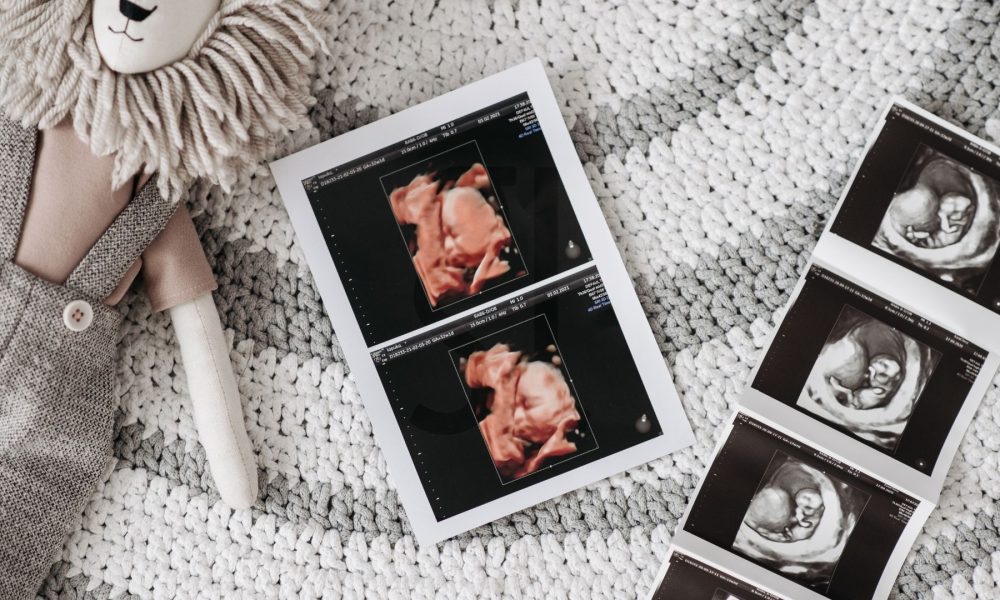
PGT-M (المعروف سابقًا بـ PGD) هو فحص جيني للأجنة أثناء أطفال الأنابيب يكشف عن طفرة جينية وراثية معروفة في العائلة قبل حدوث الحمل. يسمح للطبيب باختيار نقل الأجنة غير المصابة بهذا المرض فقط، وهو مخصص للأسر التي أكّد فحص جيني سابق وجود خطر وراثي موثق فيها، وليس فحصًا روتينيًا لكل مرضى أطفال الأنابيب.
فهم PGD (PGT-M) ولماذا هو مهم
التشخيص الوراثي السابق للانغراس، الذي يُعرف الآن بشكل أدق باسم PGT-M (الفحص الوراثي السابق للانغراس للأمراض أحادية الجين)، هو تقنية مخبرية تُستخدم بالتزامن مع أطفال الأنابيب لفحص الأجنة بحثاً عن حالة وراثية موروثة محددة ومعروفة قبل بدء الحمل. وقد طُوّرت هذه التقنية للأزواج الذين يعلمون بالفعل أن مرضاً خطيراً ناتجاً عن جين واحد منتشر في عائلتهم، ويرغبون في الحصول على خيار لتقليل احتمال نقل هذا المرض إلى طفلهم.
لا يقوم PGT-M بإنشاء أو تعديل الجينات. بل يحدد، من بين الأجنة التي تم إنشاؤها خلال دورة أطفال الأنابيب، أيّها يحمل التغيّر الجيني المسبب للمرض المحدد الذي سبق تحديده في العائلة، وأيّها لا يحمله. تتيح هذه المعلومة للطبيب والوالدين المقصودين اختيار نقل الأجنة غير المصابة بالحالة التي يتم فحصها.
يُستخدم هذا النوع من الفحص حصراً كأداة طبية للوقاية من الأمراض. ولا يُقدَّم إلا عند وجود خطر وراثي موثّق ومعروف في العائلة، تم تأكيده عبر فحص وراثي أو استشارة سابقة، وليس كخيار فحص عام لكل مريضة تخضع لأطفال الأنابيب.
مقارنة PGT-M مع PGT-A
كثيرًا ما يُخلط بين PGT-M و PGT-A (الفحص الجيني قبل الزرع للكشف عن اختلال الصبغيات)، لكن الفحصين يجيبان عن سؤالين مختلفين. فـ PGT-A ينظر إلى العدد الإجمالي لكروموسومات الجنين للتحقق من وجود نقص أو زيادة، وهو سبب شائع لفشل الانغراس والإجهاض ويزداد تكرارًا مع تقدم عمر الأم.
أما PGT-M، فيبحث عن طفرة جينية محددة واحدة تم تحديدها مسبقاً لدى أحد الوالدين أو أحد أفراد العائلة المقربين من خلال فحص وراثي طبي. ويتطلب تحضيراً مخبرياً مسبقاً باستخدام عينات الحمض النووي من أفراد العائلة المصابين، بحيث يمكن تتبع الطفرة المحددة بدقة في كل جنين. ويمكن أحياناً إجراء PGT-M وPGT-A معاً على نفس خزعة الجنين عندما تكون هناك حاجة لتقييم كل من سلامة الصبغيات ووجود حالة وراثية معروفة.
الحالات الوراثية التي قد يساعد PGT-M في الوقاية منها
اضطرابات الجين الواحد
يُستخدم PGT-M غالبًا للحالات الخطيرة الناجمة عن تغيّر في جين واحد، بما في ذلك الثلاسيميا، والتليف الكيسي، وفقر الدم المنجلي، ومرض هنتنغتون، وضمور العضلات الشوكي، ومتلازمة إكس الهش. يمكن لهذه الحالات أن تؤثر بشكل كبير على صحة الطفل، وفي كثير من الحالات، تكون مقيدة للحياة أو تتطلب رعاية طبية مدى الحياة.
إعادة الترتيب البنيوي للصبغيات
بعض الأشخاص يحملون إعادة ترتيب صبغي متوازن، كالانتقال الصبغي، وهو لا يؤثر عادةً في صحتهم لكنه قد يؤدي إلى أجنة بمادة صبغية غير متوازنة. وهذا سبب معروف لتكرار الإجهاض ويمكن تقييمه أيضًا عبر طريقة قريبة من الفحص الجيني قبل الزرع.
الأمراض الوراثية المرتبطة بالجنس
تنتج بعض الأمراض الوراثية الخطيرة، مثل الهيموفيليا وضمور العضلات من نوع دوشين، عن تغيّر جيني محدد على أحد الصبغيات يتبع نمط وراثة مميز داخل العائلات. فعندما تكون الطفرة المسببة للمرض معروفة بدقة، يمكن لـ PGT-M فحص الأجنة مباشرة بحثاً عن تلك الطفرة، مما يتيح للعائلات التي لديها تاريخ موثّق للمرض تقليل خطر ولادة طفل مصاب بالحالة. ويقتصر استخدام هذا الفحص حصراً على تحديد وتجنب مرض خطير محدد.
مطابقة مستضدات الكريات البيضاء (HLA) لشقيق مريض
في ظروف نادرة ويتم تقييمها بعناية، يمكن دمج PGT-M مع تنميط HLA لتحديد جنين خالٍ من مرض عائلي معروف ومتطابق نسيجياً في الوقت ذاته مع طفل موجود يحتاج إلى زراعة خلايا جذعية، كما هو الحال في بعض اضطرابات الدم. ولا يُقدَّم هذا التطبيق إلا ضمن إرشادات أخلاقية وطبية صارمة.
من يجب أن يفكر في PGT-M
يُخصَّص PGT-M لفئة محددة من المرضى وليس لعموم مرضى أطفال الأنابيب. ويُنظر فيه عادة من قِبل:
- الأزواج اللذين يكون أحدهما أو كلاهما حاملاً مؤكداً لاضطراب معروف أحادي الجين
- العائلات التي لديها تاريخ موثّق لمرض وراثي خطير
- الوالدان اللذان أنجبا بالفعل طفلاً مصاباً بحالة وراثية مشخَّصة
- الأزواج الذين يعانون من إجهاض متكرر مرتبط بإعادة ترتيب صبغي بنيوي مؤكد
- العائلات التي تبحث عن شقيق متطابق نسيجياً لطفل مصاب بمرض خطير يمكن علاجه بزراعة الخلايا الجذعية
عادة ما تكون الإحالة إلى طبيب وراثة سريرية أو مستشار وراثي، إلى جانب إجراء فحص تأكيدي لحمل الطفرة الجينية (فحص الناقل)، ضرورية قبل التخطيط لـ PGT-M، حيث يجب أن يعرف المختبر الطفرة المحددة التي سيبحث عنها في كل جنين.
كيف تسير عملية PGT-M
يُجرى PGT-M ضمن دورة أطفال أنابيب اعتيادية باستخدام intracytoplasmic sperm injection, or ICSI، ما يقلل خطر تشويش نتائج الفحص بمادة وراثية إضافية من حيوانات منوية محيطة.
- يتم تحفيز المبايض واستخراج البويضات كما في دورة أطفال الأنابيب المعتادة
- تُخصَّب البويضات باستخدام الحقن المجهري (ICSI) لدعم دقة التحليل الوراثي لاحقاً
- تُزرَع الأجنة في المختبر حتى تصل إلى مرحلة الكيسة الأريمية، عادة حوالي اليوم الخامس أو السادس
- يُزال بعناية عدد قليل من الخلايا من الطبقة الخارجية للكيسة الأريمية، المعروفة باسم الأرومة الغاذية، في عملية تُسمى الخزعة
- تُجمَّد الأجنة التي أُخذت منها الخزعة بينما تُرسَل عينة الخزعة لإجراء تحليل وراثي جزيئي باستخدام تقنيات مثل تفاعل البوليميراز المتسلسل (PCR) أو التسلسل الجيني من الجيل التالي
- تحدد النتائج أي الأجنة غير مصابة بالحالة المحددة التي يتم فحصها
- يُختار جنين غير مصاب للنقل في دورة frozen embryo transfer cycle، مع حفظ باقي الأجنة غير المصابة للاستخدام لاحقًا
الدقة والسلامة والحدود الصريحة
خزعة الأرومة الغاذية تقنية راسخة تُعتبر آمنة عند إجرائها من قبل فريق أجنة ذي خبرة، ولا تُظهر الأدلة الحالية أنها تضر بتطور الجنين عند إجرائها بشكل صحيح. وكما هو الحال مع أي إجراء طبي، لا توجد طريقة خالية تماماً من المخاطر، وتعتمد النتائج على الظروف الفردية.
يتميز PGT-M بدقة عالية في الكشف عن الطفرة المحددة التي صُمم لفحصها، لكن لا يوجد فحص وراثي خالٍ تماماً من الخطأ. وقد تكون نتائج المختبر أحياناً غير حاسمة، وهناك احتمال ضئيل للتشخيص الخاطئ في أي تقنية وراثية سابقة للانغراس. كما لا يفحص PGT-M كل حالة وراثية أو طبية ممكنة، بل فقط المرض المحدد الذي أُعدّ للكشف عنه في تلك العائلة.
إن اختيار جنين غير مصاب بالحالة المفحوصة لا يضمن حملاً سليماً أو طفلاً سليماً، إذ لا يزال بإمكان عوامل طبية أو تطورية أخرى غير ذات صلة أن تحدث. ولهذا السبب، يُوصى غالباً بإجراء فحوصات تأكيدية أثناء الحمل، مثل بزل السائل الأمنيوسي أو أخذ عينة من الزغابات المشيمية، حتى بعد الحصول على نتيجة PGT-M مواتية.
الأسئلة الشائعة
هل يفحص PGT-M كل الأمراض الوراثية؟
لا. صُمم PGT-M للكشف عن طفرة واحدة محددة تم تحديدها مسبقاً في العائلة. ولا يقدم ضماناً صحياً عاماً ولا يفحص حالات غير ذات صلة ما لم يُرتَّب لفحص إضافي بشكل خاص.
هل خزعة الجنين ضارة به؟
تشير الأدلة الحالية إلى أن خزعة الطبقة التغذوية الأديمية (trophectoderm)، عند إجرائها من قبل أخصائيي أجنة مدربين، لا تُقلل من قدرة الجنين على الانغراس أو النمو عند تنفيذ الإجراء بشكل صحيح.
كم من الوقت يستغرق إعداد فحص PGT-M؟
نظرًا لأن المختبر يجب أن يُطوّر أولًا اختبارًا خاصًا بالطفرة الجينية المعروفة لدى العائلة، فقد يستغرق التحضير عدة أسابيع قبل بدء دورة التلقيح الاصطناعي. يُنصح بالاستشارة المبكرة مع مستشار وراثي.
هل يضمن PGT-M طفلاً سليماً؟
لا يمكن لأي فحص أن يضمن طفلاً سليماً. يقلل PGT-M من خطر إصابة الطفل بالحالة المحددة التي تم فحصها، لكنه لا يستطيع استبعاد جميع العوامل الوراثية أو التطورية أو الصحية الأخرى.
ناقشوا تاريخ عائلتكم مع فريقنا
إذا كانت هناك حالة وراثية خطيرة منتشرة في عائلتك، أو لديك مخاوف بعد حمل سابق أو تشخيص سابق، فإن التحدث مع فريق متخصص في الخصوبة والوراثة يمكن أن يساعد في توضيح ما إذا كان PGT-M مناسباً لحالتك. يعمل مركز GynoLife لأطفال الأنابيب، الكائن في قبرص، مع المرضى لمراجعة التاريخ العائلي والوراثي، وتنسيق فحوصات الحاملين، وشرح كل مرحلة من مراحل أطفال الأنابيب والفحص الوراثي السابق للانغراس بعبارات واضحة وصادقة. التواصل لطلب استشارة خطوة أولى جيدة نحو فهم خياراتك.
الأسئلة الشائعة
ما الفرق بين PGT-M و PGT-A؟
من يحتاج فعليًا إلى فحص PGT-M؟
هل يغيّر PGT-M جينات الجنين أو يضمن حملًا خاليًا من كل الأمراض؟

نظام أطفال الأنابيب الغذائي: أفضل الأطعمة.
التغذية أثناء أطفال الأنابيب: أطعمة تدعم جودة البويضات والحيوانات المنوية، وما يُفضَّل تجنبه، ومدى قوة الأدلة العلمية فعليًا.
اقرأ المزيد تجميد الأجنّة: كيف يحسّن الحفظ بالتبريد.
تجميد الأجنة (الحفظ بالتبريد): كيف تعمل تقنية التزجيج ومتى يعطي نقل الأجنة المجمدة نتائج أفضل من النقل الطازج.
اقرأ المزيد


